


KNAHU Students' Visit to Gdańsk 2026
In June and July 2026, ten students from Kharkiv National Automobile and Highway University (KNAHU) visited Gdańsk, Poland, as part of the PULA – Platform for Improving Logistics and Activity project. The mobility programme combined academic education, technical training, cultural exchange, and intercultural cooperation, providing participants with a comprehensive understanding of modern transport and logistics in a European context.
Throughout the programme, students explored the history of Poland and Gdańsk, gained first-hand experience with advanced transport infrastructure and intelligent transport systems, and participated in lectures, workshops, study visits, and collaborative activities with students from Gdańsk University of Technology. The exchange strengthened both professional competencies and international partnerships while fostering mutual understanding between Polish and Ukrainian participants.
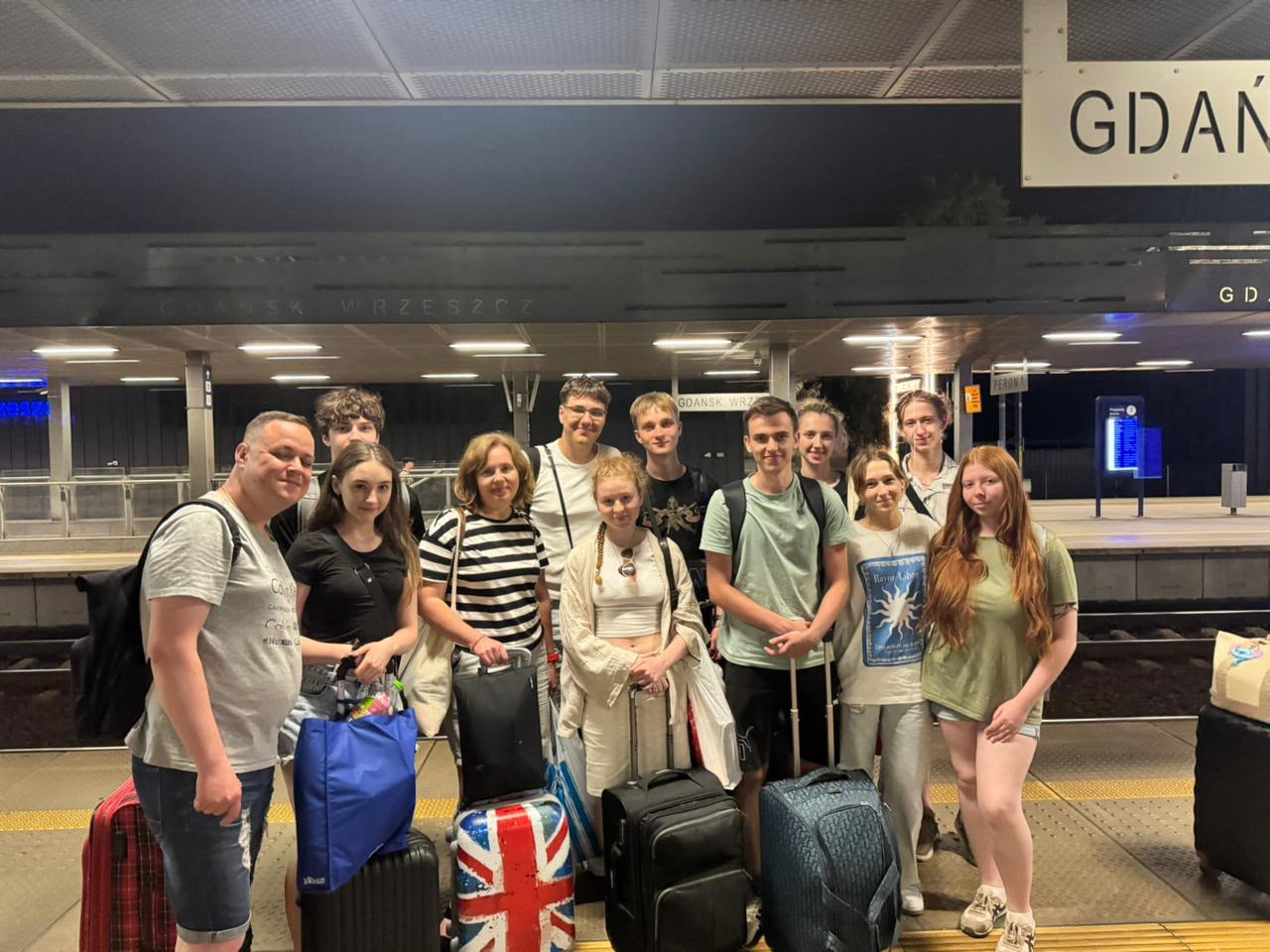
Welcome and Integration Meeting
The exchange programme officially began with a welcome session hosted by representatives of Gdańsk University of Technology. Participants were introduced to the objectives of the PULA project and the schedule of the mobility programme before presenting their universities and home cities. Through interactive presentations and moderated discussions, students established their first international connections and laid the foundations for effective intercultural cooperation.
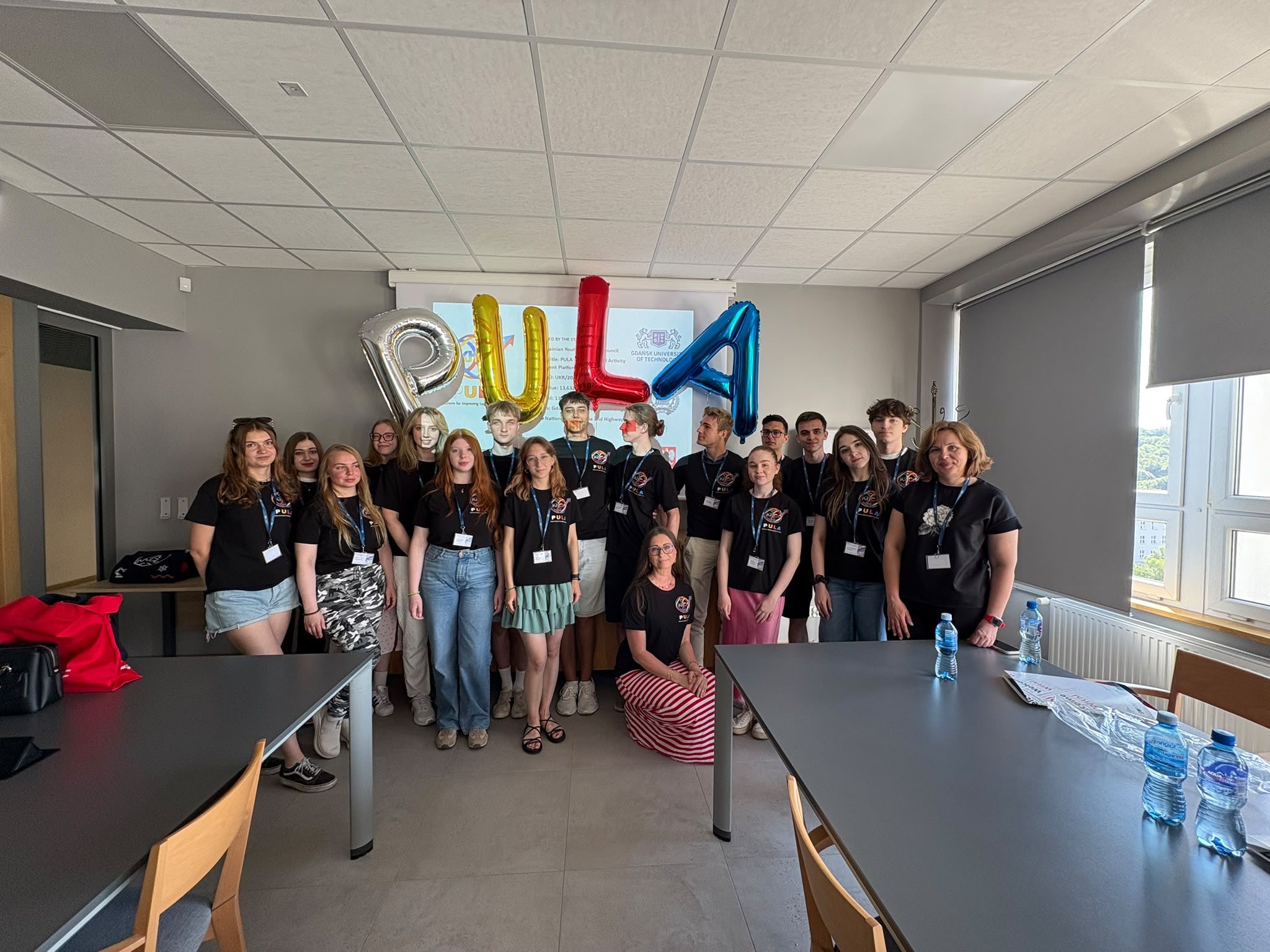
Interactive Campus Quest
Students took part in an interactive campus quest organised by Polish students at Gdańsk University of Technology. Working in mixed Polish–Ukrainian teams, participants completed collaborative tasks that strengthened communication, teamwork, and informal integration while encouraging the exchange of experiences in an engaging environment.
"How Do We Perceive Each Other?" Integration Workshop
Led by a career advisor and psychologist, this workshop encouraged participants to reflect on stereotypes, expectations, and the strengths of their respective countries. Together, students created an "Interaction Map" that promoted mutual understanding, intercultural dialogue, and effective international collaboration.
Technical Lecture: Risks, Humanitarian Logistics and Transport Terminals
Experts from Gdańsk University of Technology and Baltic Hub introduced participants to risk management in technical systems, humanitarian logistics, and the operation of transport terminals. Interactive lectures, case studies, and group discussions enabled students to analyse real-world challenges in sustainable logistics and transport management.
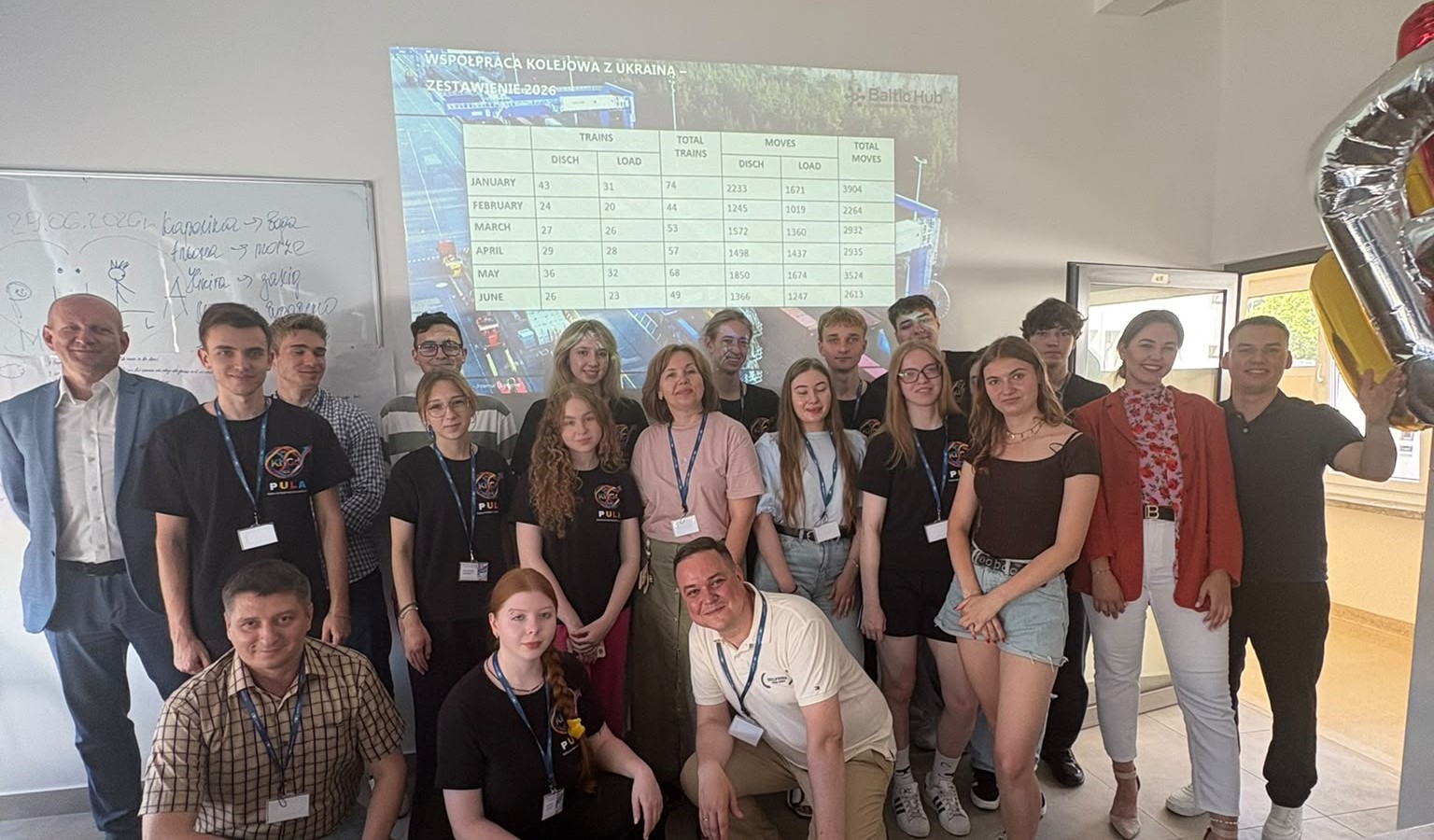
Digital Research Workshop
Hosted at the Gdańsk University of Technology Library, this workshop focused on scientific information resources and digital research tools. Participants developed their analytical skills while working in international teams on short research projects supported by modern digital databases and collaborative platforms.
Baltic Coast Reflection Session
At the Baltic seaside, students reflected on their experiences from the first days of the exchange. Through brainstorming sessions, group discussions, and collaborative online tools, participants shared ideas, evaluated their progress, and strengthened their intercultural communication skills.
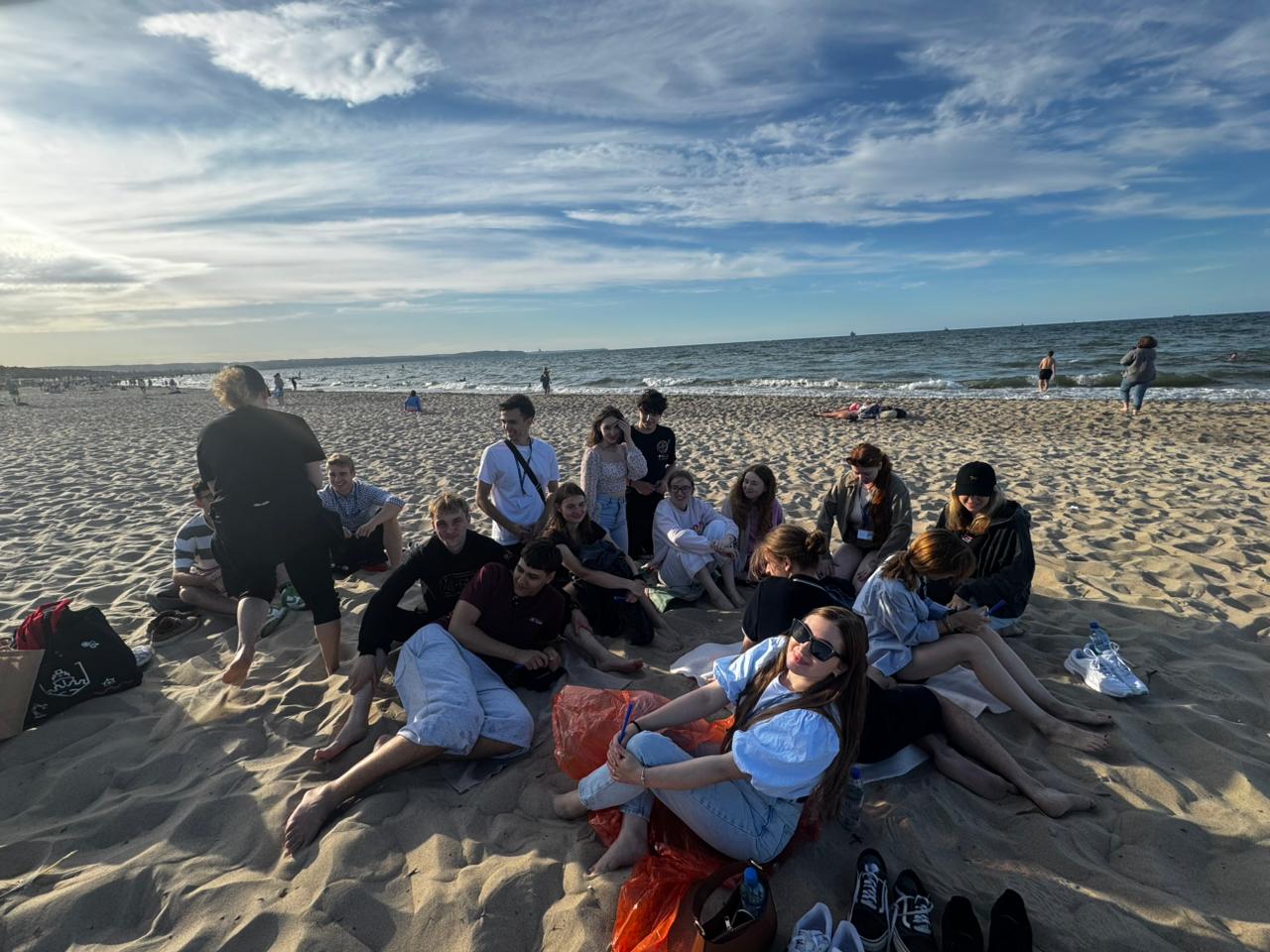
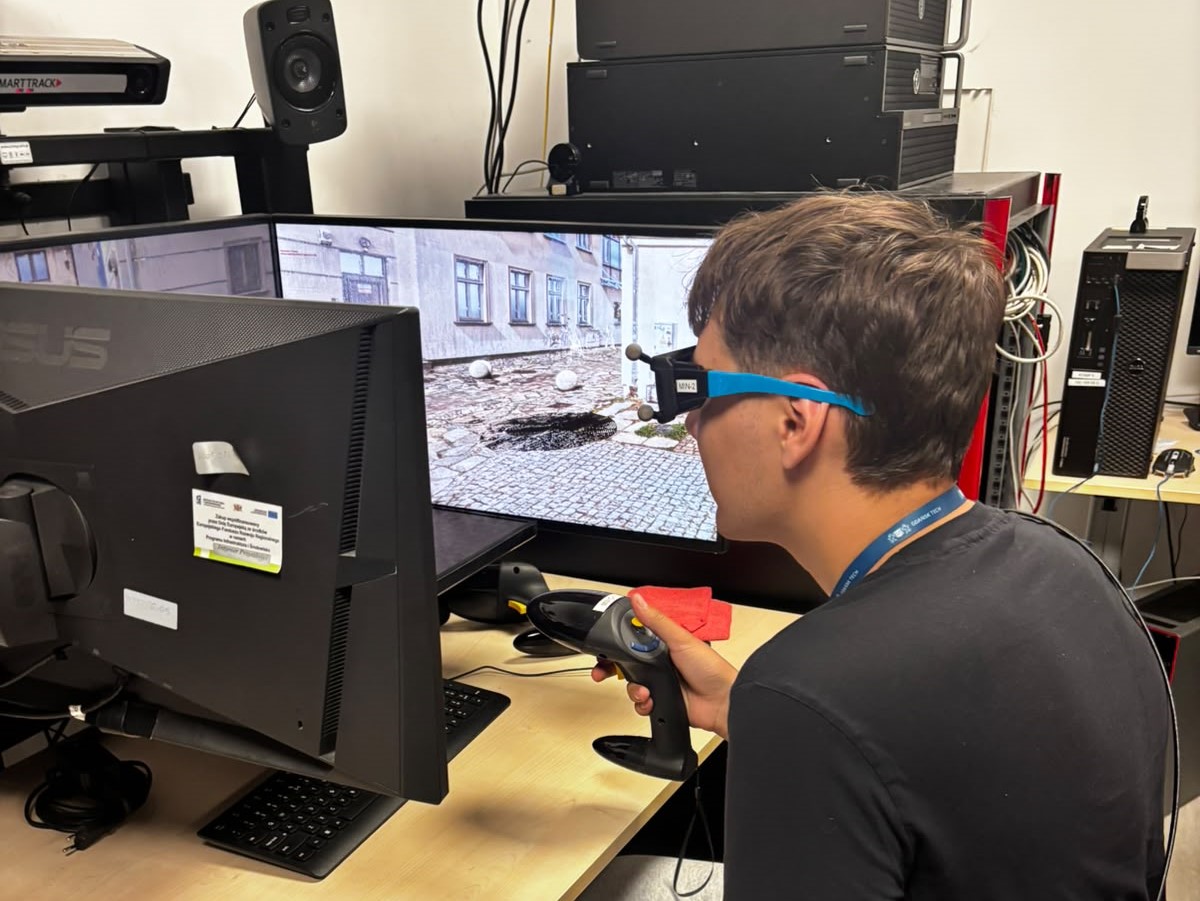
Virtual Reality Laboratory Visit
Participants visited the Immersive Spatial Visualization Laboratory, where they explored the application of Virtual Reality (VR) and Augmented Reality (AR) in infrastructure modelling and engineering. Practical demonstrations allowed students to experience modern digital technologies used in transport and spatial planning.
DigiTalk – Digital Technologies in Higher Education
During the DigiTalk session, students exchanged experiences regarding digital education platforms used at their universities. The workshop encouraged discussions on innovative teaching methods, digital competencies, and technology-supported learning in technical education.
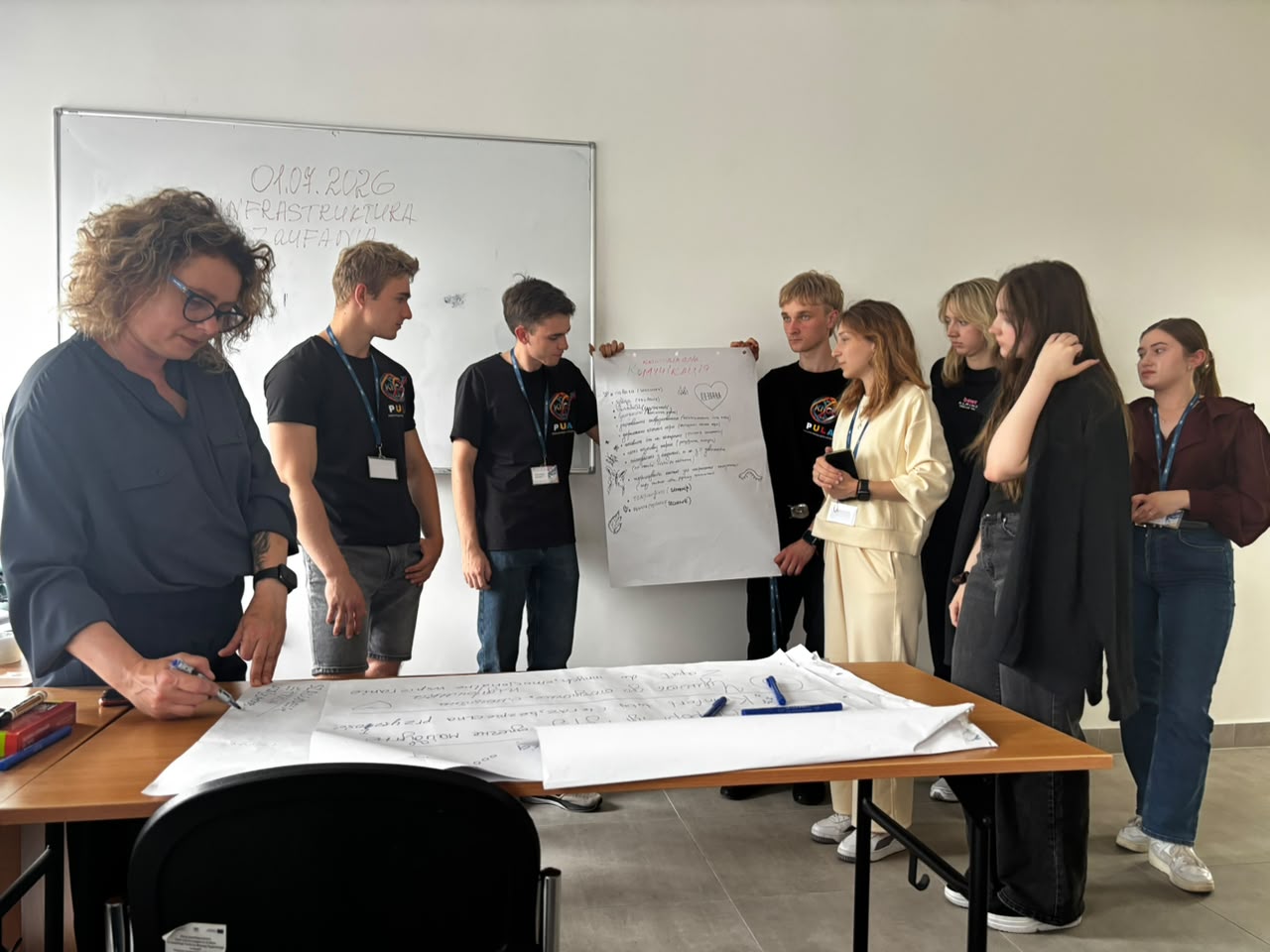
Building the Infrastructure of Trust
This workshop focused on establishing the foundations for long-term cooperation between Polish and Ukrainian students. Participants jointly developed communication principles and cooperation guidelines that will support the future development of the PULA platform.
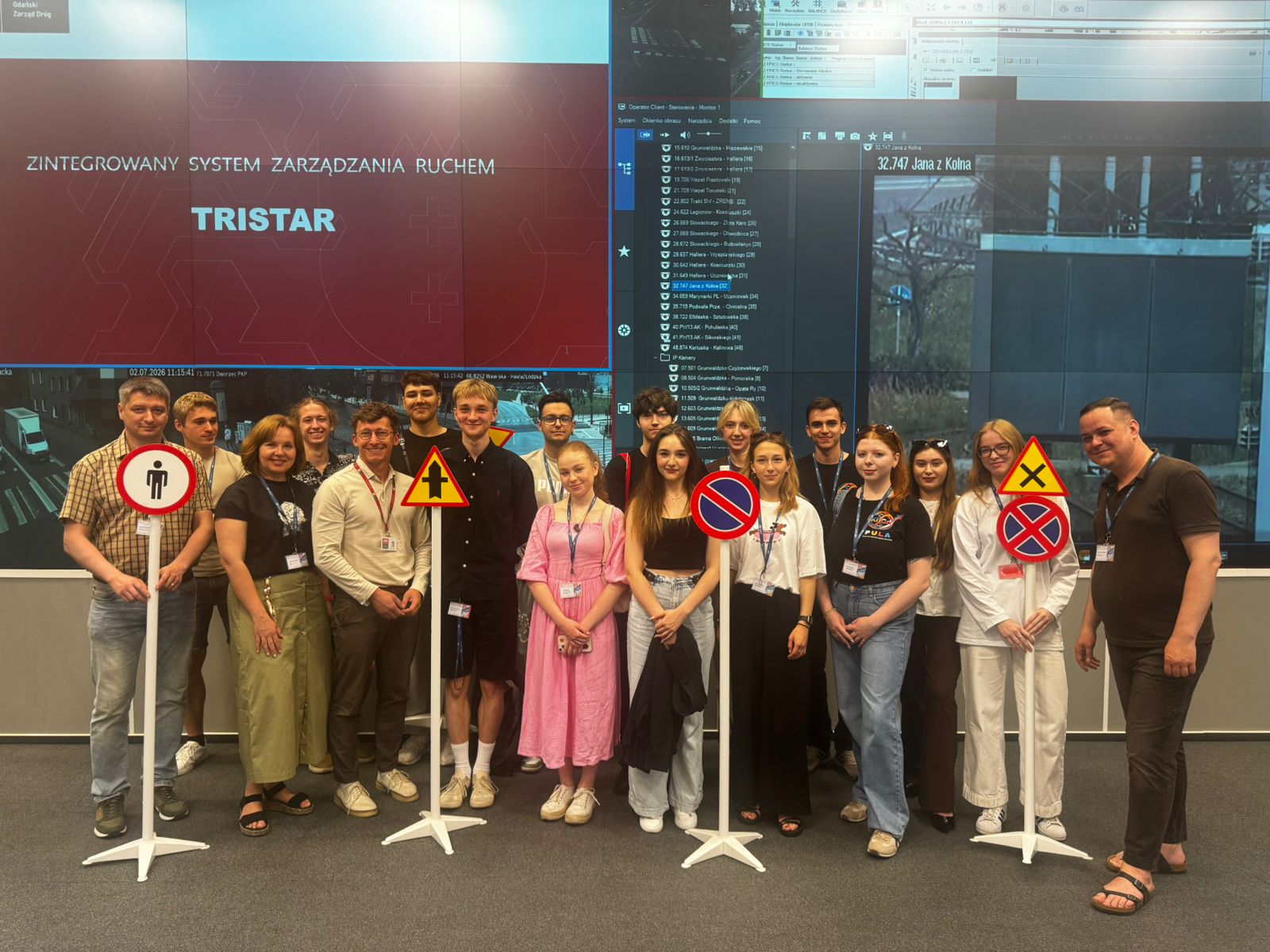
Study Visit to the Gdańsk Road and Greenery Authority
Students explored the operation of Gdańsk's traffic management centre, learning about intelligent traffic control systems, transport monitoring, and the integration of digital technologies in urban mobility management.
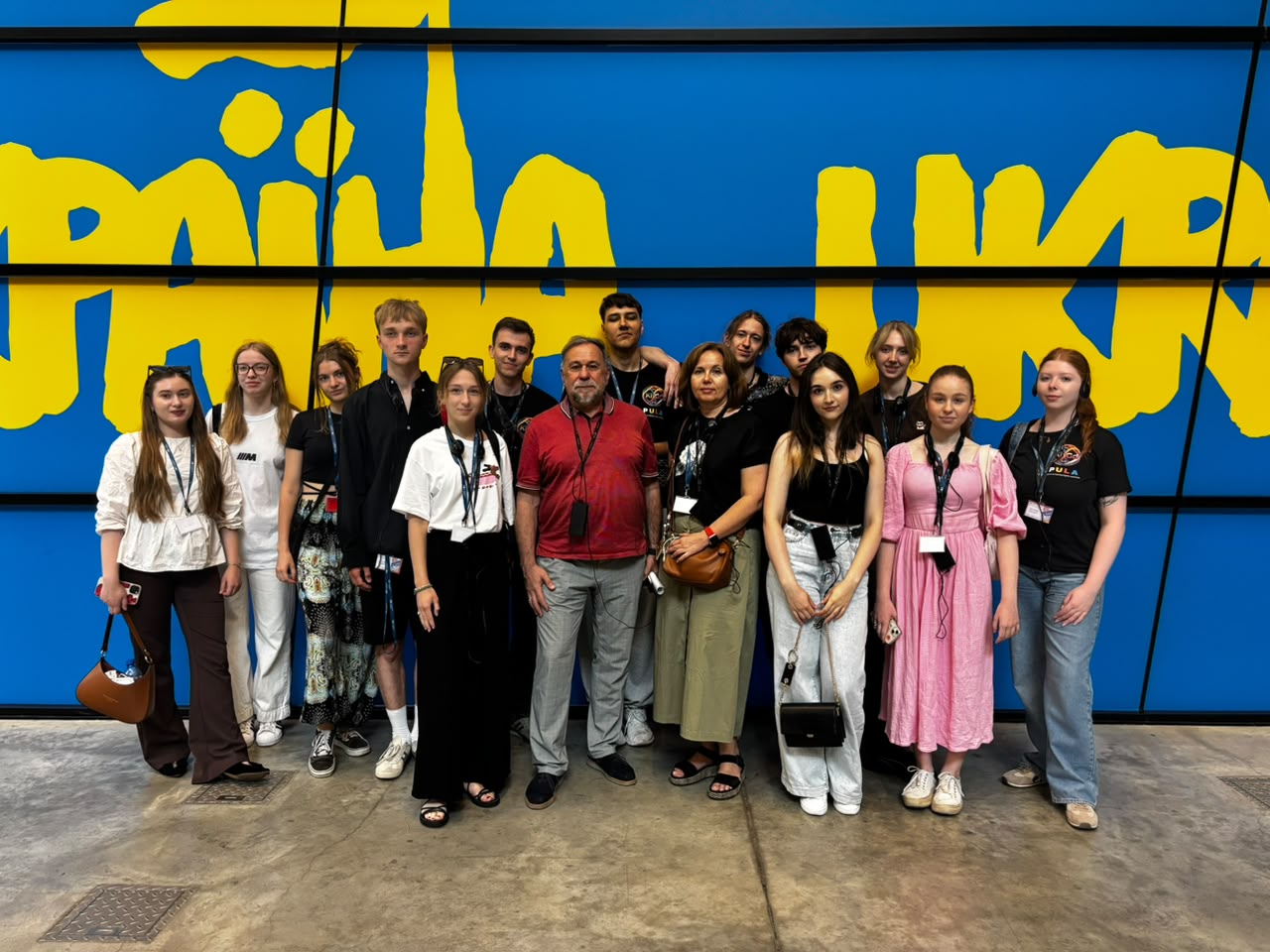
European Solidarity Centre
A visit to the European Solidarity Centre introduced participants to the history of the Solidarity movement and its importance for modern Europe. Discussions focused on European integration, civic responsibility, partnership, and international cooperation.
Preparing the "Battle of Ideas"
International teams worked together to summarize their project outcomes and prepare presentations, posters, and other materials for the final networking event. The session strengthened public speaking, teamwork, and presentation skills.
Student Research Club Presentation
Members of the "Strength and Risk" Student Research Club presented their scientific activities, research projects, and applications of digital technologies in transport engineering. Participants also learned about opportunities for involvement in future research initiatives.
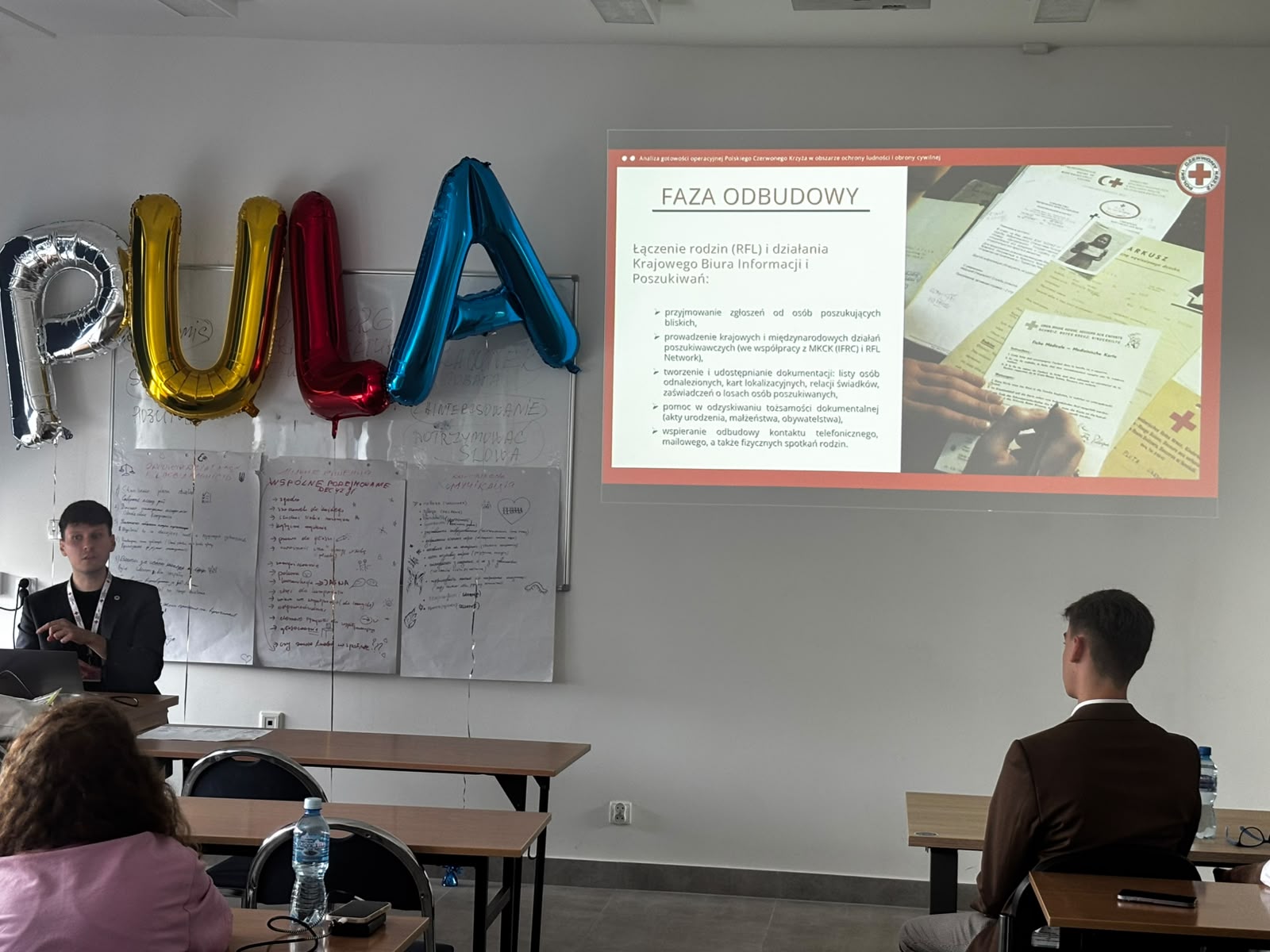
Polish Red Cross Workshop
Representatives of the Polish Red Cross introduced students to volunteer work and crisis response activities. The workshop also highlighted the role of digital media and youth initiatives in supporting local communities and humanitarian actions.
Final Networking – Battle of Ideas
The exchange concluded with presentations prepared by mixed Polish–Ukrainian teams. Participants presented concepts for the future development of the PULA platform, including proposals for research collaboration, educational initiatives, and digital solutions in transport and logistics.
Study Visit to the Port of Gdańsk
Students visited the Port of Gdańsk to gain practical insight into one of the Baltic Sea region's most important logistics hubs and its strategic role within the TEN-T Baltic–Adriatic Corridor.
Logistics Quest in Oliwa Park
Mixed international teams completed logistics challenges involving route planning, resource optimization, and strategic decision-making. The activity combined teamwork, gamification, and problem-solving in an informal setting that encouraged relationship building.
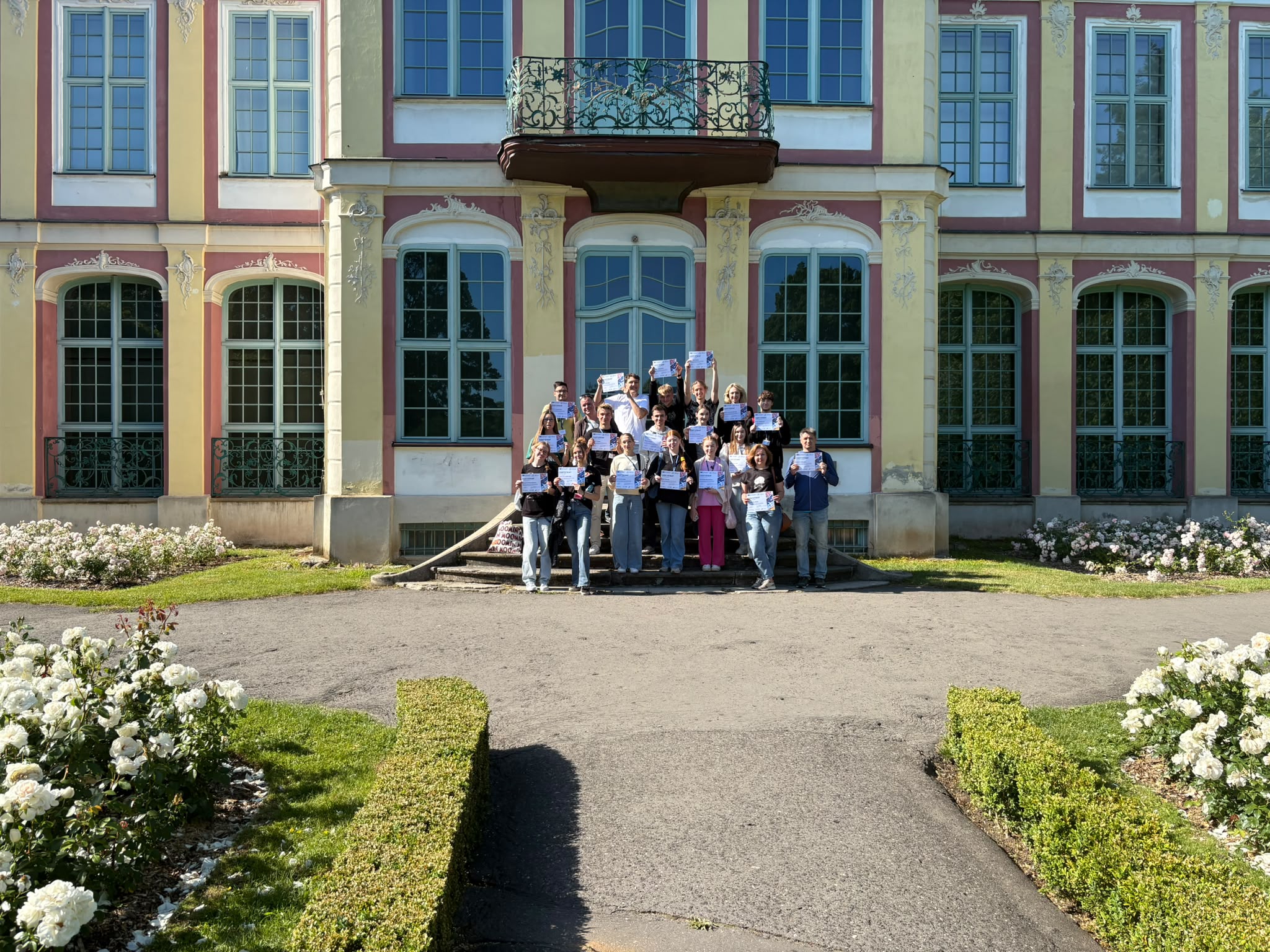
Project Reflection and Closing Session
The final day was dedicated to reflecting on the exchange programme and defining future directions for cooperation within the PULA platform. Participants summarized their experiences, planned future joint initiatives, and established mechanisms for maintaining long-term collaboration between the partner universities.
